
A ROOM THAT WORKS FOR YOU
Understanding Seasonal Gaps in Wood Flooring
Changes in wood-floor gaps can relate to indoor conditions. Track when gaps appear and how they behave before approving filler or a repair.
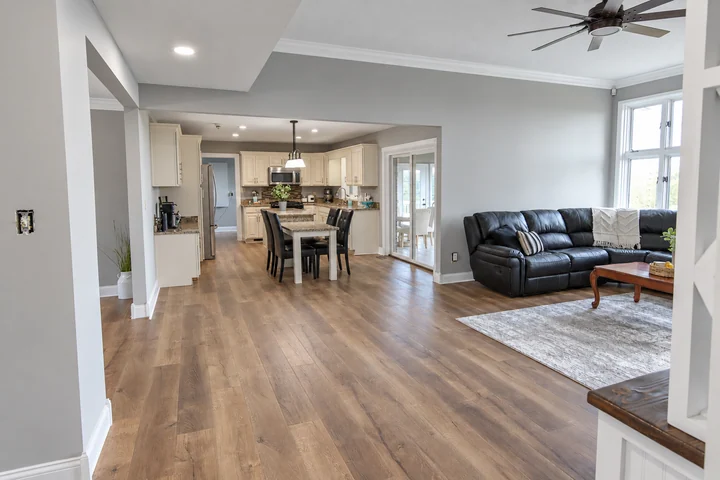
Record the pattern over time
Note whether gaps are spread across the room or concentrated near a doorway, vent or wet area. Take dated photos from the same angle and record indoor conditions if available. A pattern that changes seasonally deserves a different discussion from a single suddenly separated board.
Avoid treating every gap alike
Wood can change dimension with moisture conditions, but that does not explain every defect. Ask whether the issue involves normal movement, installation constraints or damage. Filling a moving joint without understanding it may produce an unattractive result when conditions change again.
Plan the next step around evidence
Share the flooring type, age if known, cleaning routine and any recent changes to heating or cooling. The assessment should explain whether monitoring, environmental correction or repair is appropriate. Keep replacement matching and room access separate from the initial diagnosis.
Before you decide
Should I fill every visible gap immediately?
First identify why it appeared and whether it changes. A cosmetic filler is not a substitute for assessing moisture, movement or a damaged connection.
Product guidance
Check the instructions for your exact product before ordering or installation.
NWFA: wood floor maintenance