
A ROOM THAT WORKS FOR YOU
Wood-Floor Color Changes Beside Rugs and Windows
Moving a rug can reveal a rectangle that does not match the surrounding wood. Before treating it as dirt or a failed finish, document the pattern and the history of the room. Wood species, finish, exposure and prior treatments all belong in the assessment.
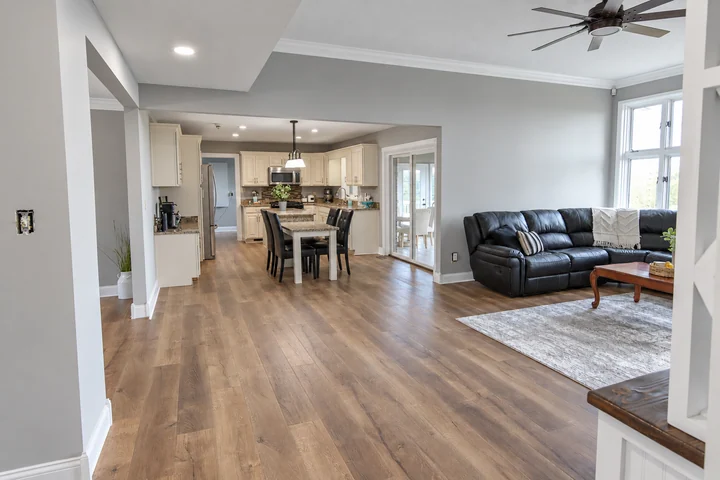
Map the exposure instead of chasing one spot
Photograph the entire room and show which windows receive strong light. Mark the former rug outline, large furniture locations and any recent changes to window coverings. Record when the difference became noticeable. A sharply defined area beneath furniture provides different evidence from a dark mark following a plumbing leak or a cleaning spill.
Ask about the exact floor’s expectations
Bring the product and finish information to the supplier or flooring professional. Ask which appearance changes the manufacturer describes and whether the proposed remedy is realistic for that construction. Avoid accepting a guaranteed color match without reviewing the surrounding boards. A newly installed repair piece and an older floor may not begin with the same appearance, even when their item numbers match.
Make a practical room-use plan
Review window coverings and rug placement as ordinary household decisions, not as promises that the wood will remain unchanged. Photograph the room periodically in similar light if you are monitoring a difference. If refinishing is proposed, ask whether the scope covers a connected room or stops at a visible boundary. Approve that boundary and a representative finish sample before work begins.
Before you decide
Should I put a strong cleaner on the darker area?
Not without identifying the cause. Cleaning cannot be assumed to reverse a color change within wood or finish, and an incompatible treatment may add another visible difference.